Early Life & Education
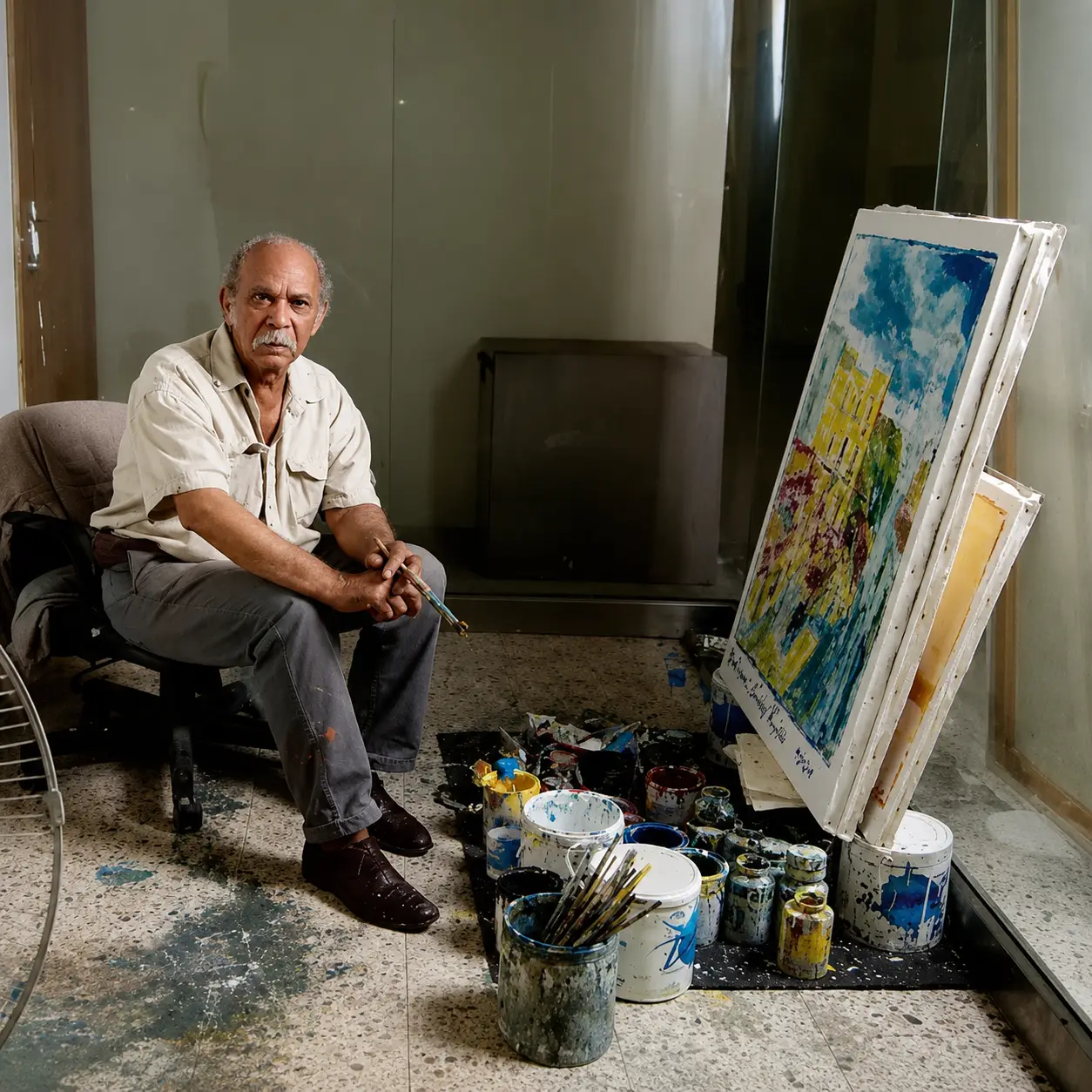
Born in Santo Domingo in 1937, Cestero studied at the Escuela Nacional de Bellas Artes and later expanded his artistic training in the United States. Widely regarded as one of the Dominican Republic’s finest draftsmen, he became an important member of the avant-garde movement Arte y Liberación, helping shape a new visual language during a pivotal period in Dominican cultural history.
International Recognition
In recognition of his exceptional contribution to Dominican culture, Cestero was awarded the Premio Nacional de Artes Plásticas in 2015, the nation’s highest distinction in the visual arts.
Artistic Vision
Throughout a career spanning decades, Cestero has documented both the beauty and contradictions of Dominican society. His paintings, drawings, and mixed-media works combine technical mastery with a keen observational eye, transforming everyday scenes into enduring cultural narratives. Critics have noted the subtle irony and social commentary present throughout his work, revealing an artist deeply engaged with the realities of his time.
Legacy
José Cestero remains one of the Dominican Republic’s most influential modern artists. His lifelong dedication to artistic innovation and cultural expression has secured his place among the nation’s most distinguished visual artists.